strict warning: Declaration of views_plugin_style_default::options() should be compatible with views_object::options() in /home/maxfotoi/public_html/climate/sites/all/modules/views/plugins/views_plugin_style_default.inc on line 0.
Відчувається наближення зими – не хочеться зайве виходити на вуличку, ліпше загорнутися у ковдру з чашкою ароматного чаю. Світ немов завмирає… Але ми не будемо сумувати і впадати у сплячку – ще стільки справ попереду! Тож, гайда за новими враженнями та знаннями! Ось наша нова підбірка цікавинок на листопад. Світ не спить, світ змінюється, світ потребує наших знань, нашої обізнаності і відповідальності!
Not so long ago a Ukrainian entrepreneur Eugen Erick has demonstrated his invention in the field of solar energy in Kiev. These are “smart” blinds which generate energy. This startup is called Solar Gaps.
Submitted by КліматІнфо on Mon, 10/23/2017 - 11:41
The biggest polluters of the environment in Ukraine are enterprises of the mining-metallurgical complex and housing, and communal services. The Minister of Ecology Ostap Semerak has announced this during the presentation of the updated rating of the enterprises that contaminate environment.
Submitted by КліматІнфо on Fri, 10/13/2017 - 13:26
Kyiv City State Administration developed the Concept of treating the municipal solid waste. It is planned to transfer from the dangerous waste burying method to waste sorting, at the households' level too, and to farther waste treatment.
Submitted by КліматІнфо on Mon, 09/11/2017 - 09:18
Two creative guys from Dnipro have created the
Life House Building
company producing energy-efficient buildings. Their warm houses are made from straw that is the most ecological and natural material.
Submitted by КліматІнфо on Wed, 08/16/2017 - 15:24
On 17 May, several organisations signed a climate pronouncement concerning the need to approve the
Kyiv City Strategy
on prevention and adaptation to the climate change and to mitigate its negative impact.
Submitted by КліматІнфо on Fri, 07/07/2017 - 09:47
Engineers and architects from a Ukrainian start-up presented a prototype of the first house in the world that exists autonomously without power and water supply. The project is called
PassivDom
.
Submitted by КліматІнфо on Wed, 05/24/2017 - 12:28
Ukraine’s attention is increasingly focused on promotion of alternative energy. In Dnipropetrovsky Region, they plan to build facilities for solar panel production, as Internet resource Informat referring to Dnepr24 informs.
Submitted by КліматІнфо on Sat, 04/15/2017 - 15:15
The
Nuclear Energy Systems of Ukraine
company has received the permission for the development of four promising uranium deposits without conducting of auctions. According to the decrees No.92-95, from the 28th of February 2017, the license was issued by the State Service of Geology and Mineral Resources of Ukraine.
Submitted by КліматІнфо on Wed, 04/12/2017 - 13:18
A few years ago Alla Vakiv, a citizen of the Silets village in Lviv region, together with her neighbour got 65,000 Euro in the European Court of Human Rights as a moral compensation for the decades of living in the zone of ecological disaster.
Submitted by КліматІнфо on Thu, 03/23/2017 - 15:54






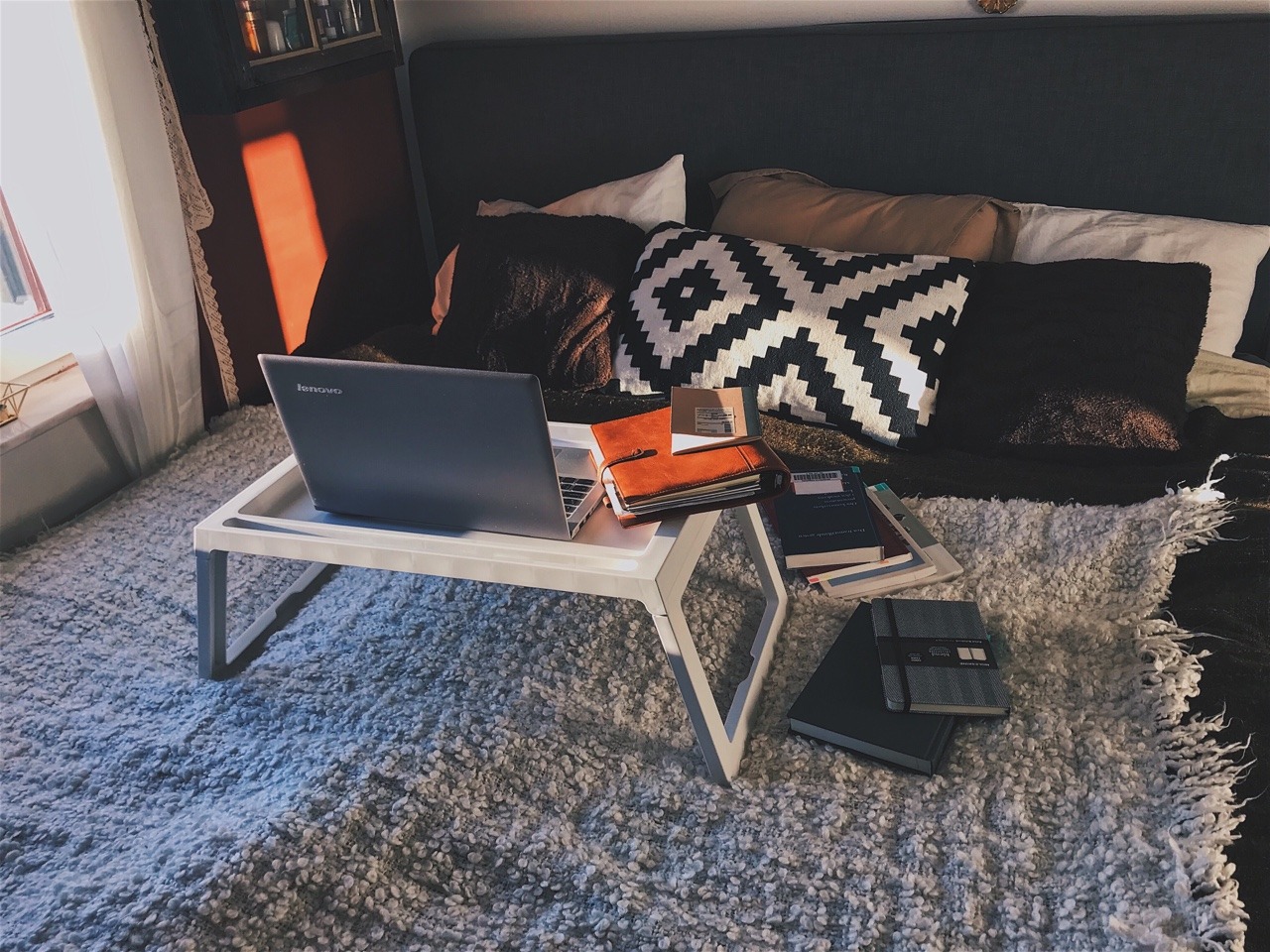 Відчувається наближення зими – не хочеться зайве виходити на вуличку, ліпше загорнутися у ковдру з чашкою ароматного чаю. Світ немов завмирає… Але ми не будемо сумувати і впадати у сплячку – ще стільки справ попереду! Тож, гайда за новими враженнями та знаннями! Ось наша нова підбірка цікавинок на листопад. Світ не спить, світ змінюється, світ потребує наших знань, нашої обізнаності і відповідальності!
 Not so long ago a Ukrainian entrepreneur Eugen Erick has demonstrated his invention in the field of solar energy in Kiev. These are “smart” blinds which generate energy. This startup is called Solar Gaps.
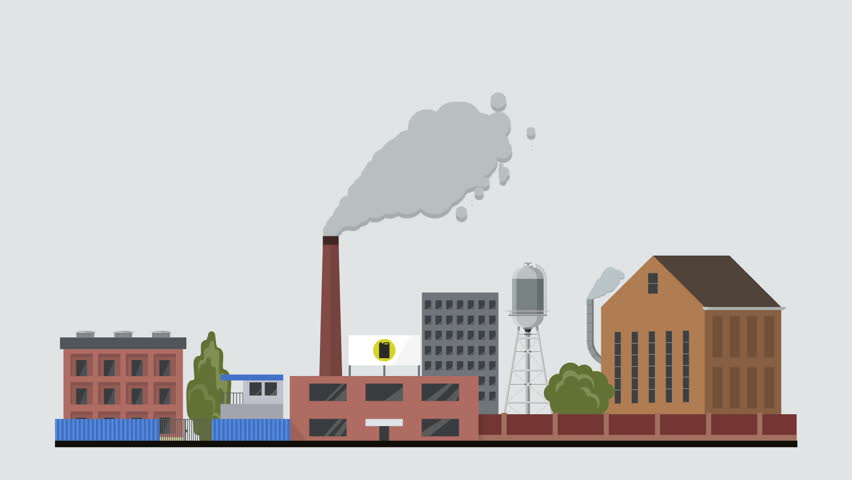
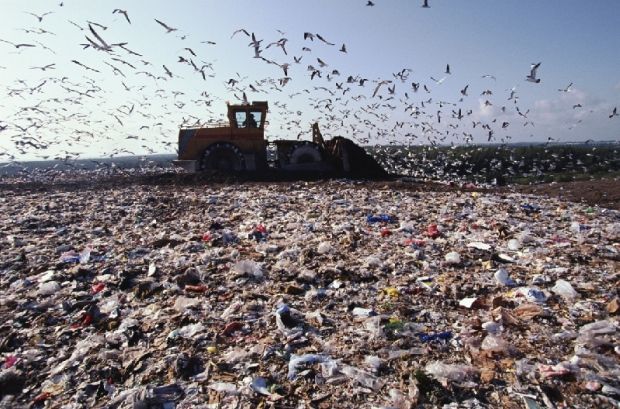 Kyiv City State Administration developed the Concept of treating the municipal solid waste. It is planned to transfer from the dangerous waste burying method to waste sorting, at the households' level too, and to farther waste treatment.
 Two creative guys from Dnipro have created the
Life House Building
company producing energy-efficient buildings. Their warm houses are made from straw that is the most ecological and natural material.
Two creative guys from Dnipro have created the
Life House Building
company producing energy-efficient buildings. Their warm houses are made from straw that is the most ecological and natural material.
 On 17 May, several organisations signed a climate pronouncement concerning the need to approve the
Kyiv City Strategy
on prevention and adaptation to the climate change and to mitigate its negative impact.
On 17 May, several organisations signed a climate pronouncement concerning the need to approve the
Kyiv City Strategy
on prevention and adaptation to the climate change and to mitigate its negative impact.
 The conference entitled
Renewable energy and the replacement of gas
.
Energy service and energy management implementation
was held on May, 26 in Lviv.
The conference entitled
Renewable energy and the replacement of gas
.
Energy service and energy management implementation
was held on May, 26 in Lviv.
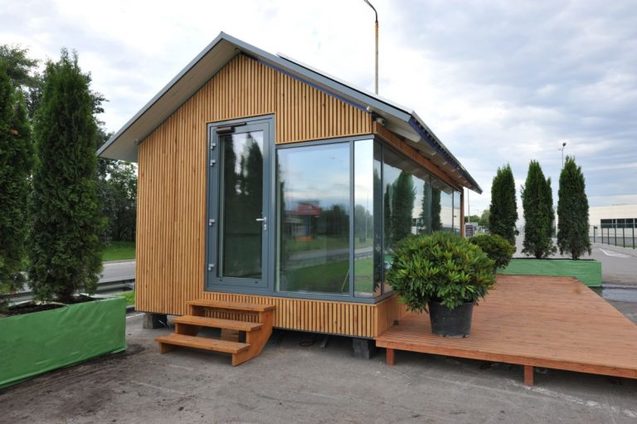
 Ukraine’s attention is increasingly focused on promotion of alternative energy. In Dnipropetrovsky Region, they plan to build facilities for solar panel production, as Internet resource Informat referring to Dnepr24 informs.
 The
Nuclear Energy Systems of Ukraine
company has received the permission for the development of four promising uranium deposits without conducting of auctions. According to the decrees No.92-95, from the 28th of February 2017, the license was issued by the State Service of Geology and Mineral Resources of Ukraine.
The
Nuclear Energy Systems of Ukraine
company has received the permission for the development of four promising uranium deposits without conducting of auctions. According to the decrees No.92-95, from the 28th of February 2017, the license was issued by the State Service of Geology and Mineral Resources of Ukraine.
 A few years ago Alla Vakiv, a citizen of the Silets village in Lviv region, together with her neighbour got 65,000 Euro in the European Court of Human Rights as a moral compensation for the decades of living in the zone of ecological disaster.